
Blog
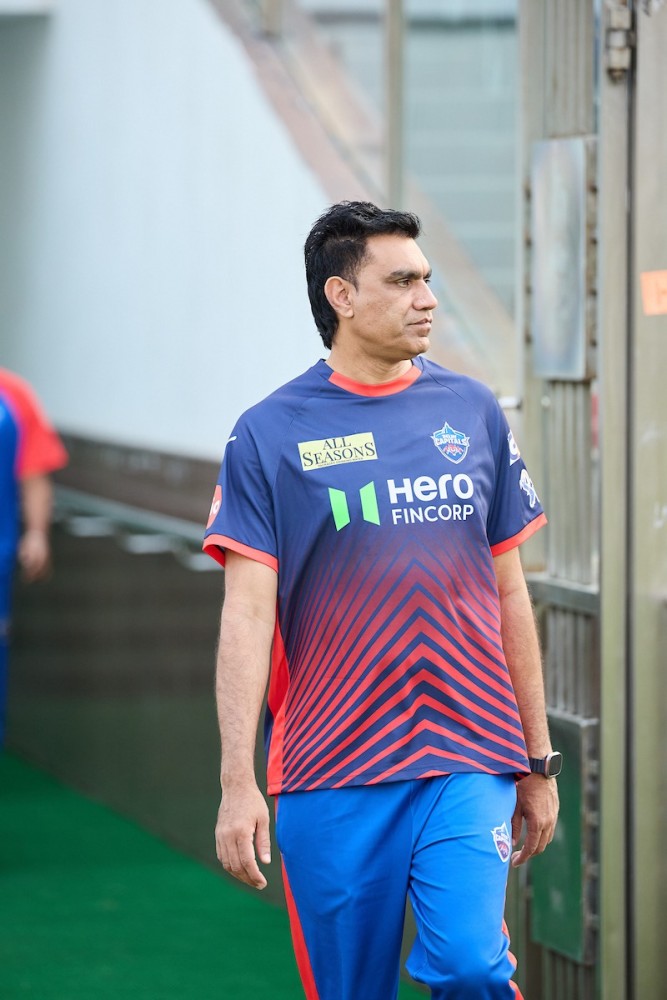
Munaf Patel Pre-match PC Transcript - DC vs GT
Munaf Patel Pre-match PC Transcript - DC vs GT
On bowling “Test match lengths” in T20s & his role as bowling coach
My role is to help bowlers understand how to execute according to our plans. But honestly, most of the work is done by the bowlers themselves. It’s about reading the batter, knowing when to bowl that Test match length, and adapting to the situation. You can’t keep bowling the same length throughout a T20 match. If you’re getting hit, you need to go to your variations. Game awareness is important.
On injury management for fast bowlers
Fast bowlers need rhythm. The more you play and bowl, the better your rhythm becomes. When you’re not playing consistently, that rhythm goes away, and injuries can follow.
If you’re not playing domestic cricket and are just sitting out, there’s no real substitute for match rhythm.
On the importance of wickets in the powerplay
In T20 cricket, if you take wickets in the first six overs, it becomes very difficult for the opposition to reach 200. If teams have a strong powerplay and build partnerships, then 200 is achievable. But if you pick up two or three wickets for around 40–45 runs, it’s very hard to get there unless the death bowling is poor.
On T Natarajan’s performance
He had a prolonged injury last year, which kept him out of both red-ball and one-day cricket. That’s why, for now, he’s focusing on T20s. But based on how he’s bowling, I believe he can return to other formats next year. My role with him is to focus on his strengths. He has excellent yorkers and variations, especially at the death, and we continue to build on that.
On Lungi Ngidi and slower-ball variations
In today’s game, variations are essential for any bowler. Ngidi has strong slower balls and a good understanding of conditions, especially in India. He doesn’t rely purely on pace; he bowls to his strengths and uses variations smartly when required. He’s also a very easy player to work with.
On Mitchell Starc’s absence
We’ve won two matches, so his absence hasn’t been felt so far. But if results don’t go our way, questions will come up. Starc is one of the best bowlers in the world. In the IPL, only someone like Jasprit Bumrah can be compared with him. He brings pace, swing, and experience. We’re closely following up on his fitness because he’s very important for us.
On Auqib Nabi’s work ethic
He’s a very disciplined and patient young bowler with a strong work ethic. Despite this being his first IPL, he hasn’t been distracted by the glamour. He’s always eager to bowl extra in the nets, in fact, we sometimes have to stop him. There’s a big difference between domestic cricket and the IPL, where even good balls can get hit. He’s working towards becoming a complete all-round package.
Coming off a historic Ranji season with J&K is a very big achievement, IPL is a different challenge. We’re ensuring he stays ready, as not all bowlers will play every match. He could also be used as an impact player when needed. So we're ensuring he is ready whenever the time comes.
On the top order’s form
When you’re winning matches, you don’t want to change the winning combination. We haven’t pressed the panic button yet. Decisions will only come if results don’t go our way. For now, things are stable, and there’s no need for changes.
On working with Mukesh Kumar
I’ve been working with Mukesh consistently over the past few months. Last year, his line and length were questioned, but he’s improved significantly after playing red-ball cricket.
He’s now bowling that Test match length very effectively. We’re also working on his variations with the new ball, as he plays a key role for us, especially in the powerplay. He is our main bowler at the start.
On the match-up against Gujarat Titans
We focus on our strengths rather than the opposition’s weaknesses. Instead of overthinking the opposition, it’s important to back your own strengths. Many times, teams lose focus by trying to exploit weaknesses rather than sticking to what they do best.
Shubman is a top player and also leads his side. If he doesn’t play, it naturally makes a difference and gives some relief to the bowlers. Any team will feel the absence of a player of his calibre.
On coaching philosophy
Talking to the players is 100% important. You have to guide them and chat about the wicket conditions. Just like Lungi Ngidi comes from South Africa, but yes, he has played the World Cup before. It is about discussing the strengths and weaknesses of the opposition batters, although weaknesses are fewer now as batters play more shots in the T20 format.
My job is to prepare the bowlers going into the match. Some bowlers bowl before match day, some rest, it depends on them. It is then up to the trainers whether they need to do strength and conditioning.
You do not have to spend too much time with international bowlers, but with domestic players you tell them how to handle pressure and how to bowl in the first six and the last six overs. Whereas internationals already know how to manage these situations.
It is great that Axar is an all-rounder. Both Kuldeep and Axar are there to guide the likes of Vipraj Nigam when playing in the middle overs, and that helps.
On Rizvi as impact player and inclusion in playing XI
You are right, the situation decides how the impact player is used. We plan to continue as it is going with Rizvi, but it depends on the situation.
I personally feel that if, let’s say, there is no wicket fallen in the first 10 overs, then Rizvi’s role will be reduced.
You cannot change a winning combination until there is a need to.
#delhicapitals #gujrattitans #ipl #ipl2026